Your last round was priced at a number you cannot justify now, and you need more money. The two honest ways through are a bridge to grow into the price or a down round to reset it. Which one is right turns on a single question.
Venture debt can look like the cheapest money you will raise. But the lender is underwriting one thing above all: whether you will raise your next equity round. Understand that and you will know when to take it and when to leave it.
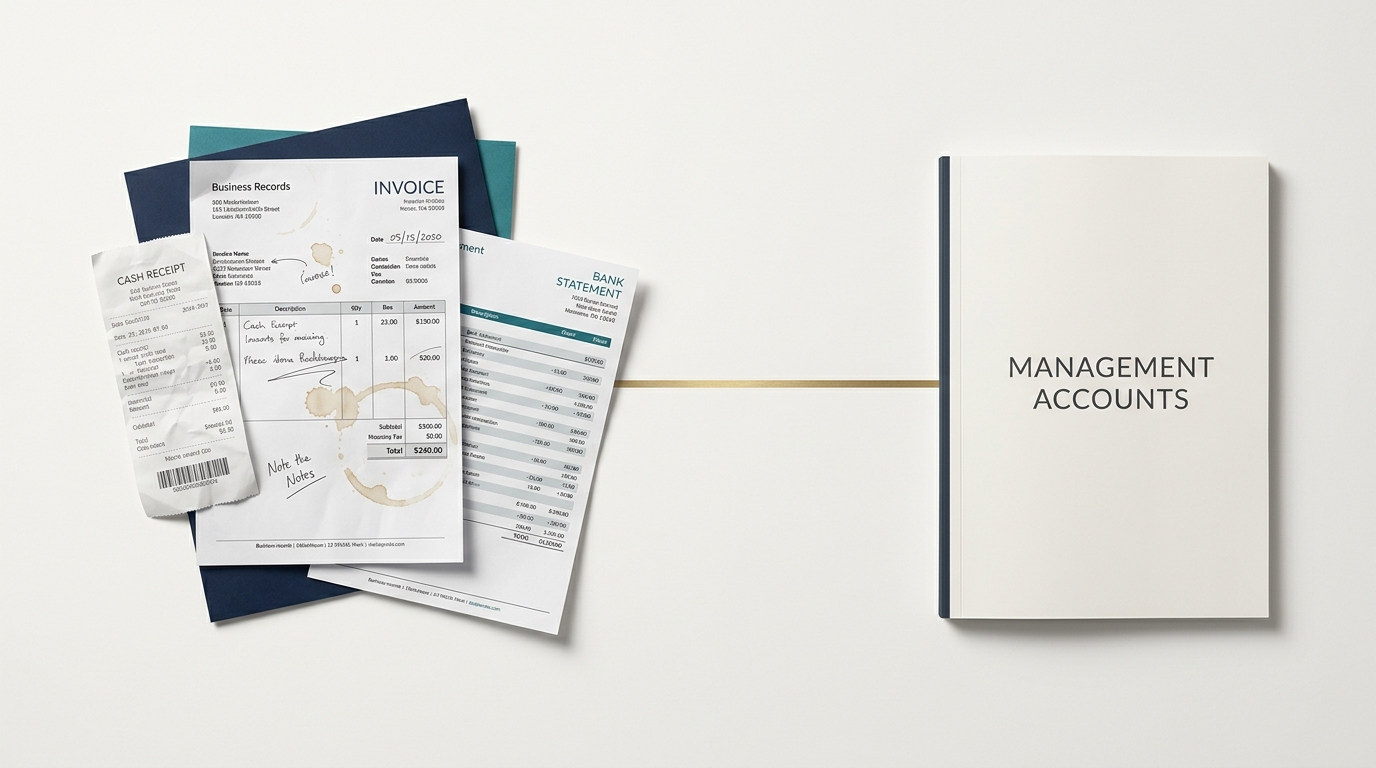
Investors verify the numbers behind your deck before they invest. Here is what investor-ready books look like, the gap between having revenue and proving it, and how to close it before a raise rather than during one.
Most investor-readiness advice is written for a founder in San Francisco and omits the three things that most often stop African deals. Here is what readiness actually requires, and how to test whether you have it.
How to divide founder equity by real contribution, why vesting with a cliff protects everyone, how much to set aside for team and advisors, and why the split belongs in a written founder agreement.
Where you register your company is one of the few early decisions that is hard to reverse. Here is how to weigh Nigeria, the UK and a Delaware parent, what "the flip" is, what it costs, and when it is worth doing.
A term sheet is where a funding deal is really made. Here are the economic and control clauses that matter most, from liquidation preferences and the option pool shuffle to board seats and anti-dilution, in plain English.
Venture debt buys more runway with far less dilution than raising more equity, but it is debt and behaves like debt when things get hard. Here is how it is sized and priced, how lenders decide, when it fits, and the risks founders underweight.
Three ways to raise, three sets of trade-offs. A clear comparison of SAFEs, convertible notes and priced rounds, and a simple guide to which fits your stage, your amount and your investors.
A priced round sets a valuation and issues shares today. Here is how the round is built, the preferred-share terms that decide what you keep in a good exit and a bad one, and what to hold the line on.
Convertible notes have fallen to just 7% of US pre-seed rounds, but they are far from dead, especially in Africa. Here is how interest, maturity, caps and discounts work, what the data says, and how a note differs from a SAFE.
SAFEs now account for 93% of US pre-seed rounds. Here is how caps, discounts and the post-money structure actually work, what the data says, with a worked example and the traps to avoid, including what changes in Africa.
Series D is raised either to accelerate a rocket or to buy time to a better exit. Here is what the two stories mean, who invests at this late stage, and what belongs in a Series D pitch deck.
Series C funds market leadership: aggressive expansion, acquisitions and the road toward an exit. Here is what late-stage investors underwrite, the metrics bar, and what belongs in a Series C pitch deck.
Series B funds scale: expanding a proven engine into new markets, segments and products. Here is what investors underwrite at this stage, and what belongs in a Series B pitch deck.
Series A funds a repeatable growth engine. Here is the metrics bar investors hold you to, why so many companies stall here, and what belongs in a Series A pitch deck.
Seed funds the search for product-market fit. Here is what investors look for once you have a live product, the traction that matters, and what belongs in a seed-stage pitch deck.
Pre-seed funds the idea before there is much to show. Here is what the stage is really for, what the earliest investors look for, and exactly what belongs in a pre-seed pitch deck.
What each funding stage really means, how much you raise, what investors expect, and how ownership changes as you climb the ladder. The map before the journey.
Valuation is the most argued-over number in fundraising and the least understood. Here is what pre-money and post-money really mean, how early-stage valuations are actually set, and what genuinely moves the number.
Every round you raise changes who owns your company. Here is how a cap table works, how dilution really adds up across rounds, and the levers that decide whether founders keep a meaningful stake by the end.
Investors spend about two and a half minutes on a pitch deck, and nearly half never reach the last slide. Here is what a deck is for, the 10 slides that raise, and how each one changes by stage.
A warm introduction converts up to three times better than a cold email. Here is how to find the right investors, build the introductions that get meetings, and run outreach that respects your time and theirs.
A third of deals collapse at the final hurdle over preventable gaps. Here is what happens in due diligence, what belongs in your data room, and how to prepare so a signed term sheet actually becomes money in the bank.
African tech raised $4.1 billion in 2025, but the money concentrates in four countries, one sector, and increasingly in debt. Here is what makes raising on the continent different, and how founders can prepare to stand out.
Growth only helps if each sale makes money. Unit economics is the small piece of arithmetic that tells you whether to press the accelerator or fix the engine first.
The monthly investor update is the highest-return hour a founder spends. Done well, it turns backers into a second team. Done badly, or not at all, it lets the relationship, and the next cheque, go cold.