What Investor‑Ready Actually Means for an African Founder
Most investor-readiness advice is written for a founder in San Francisco and omits the three things that most often stop African deals. Here is what readiness actually requires, and how to test whether you have it.
In this guide
Investor-readiness is usually framed as a checklist: a clean deck, a financial model, a data room, and some traction. Those are real requirements. But that framing describes a company in a US or European context, and it leaves out three things that routinely stop African deals.
Businesses with genuine traction stall in due diligence for reasons that have nothing to do with the strength of their numbers. The company is structured in a way the investor cannot buy into. The money cannot legally move. A licence is missing. None of that appears on the standard checklist. What follows is a working definition of readiness, the full set of checks a company has to pass, and a way to test where you stand.
Readiness means leaving nothing for due diligence to find
An investor-ready company is one where the investor’s questions already have answers before they are asked. Due diligence is a structured search for problems. If it finds none, you are ready. If it finds something you did not know about or had not resolved, you are not, regardless of how strong the pitch was.
Readiness is therefore a state you put the business into over time. The work is done in advance, so that scrutiny confirms your account of the company.
The universal checks
These checks are common to investors in any market. Get them wrong, and the company is not ready anywhere.
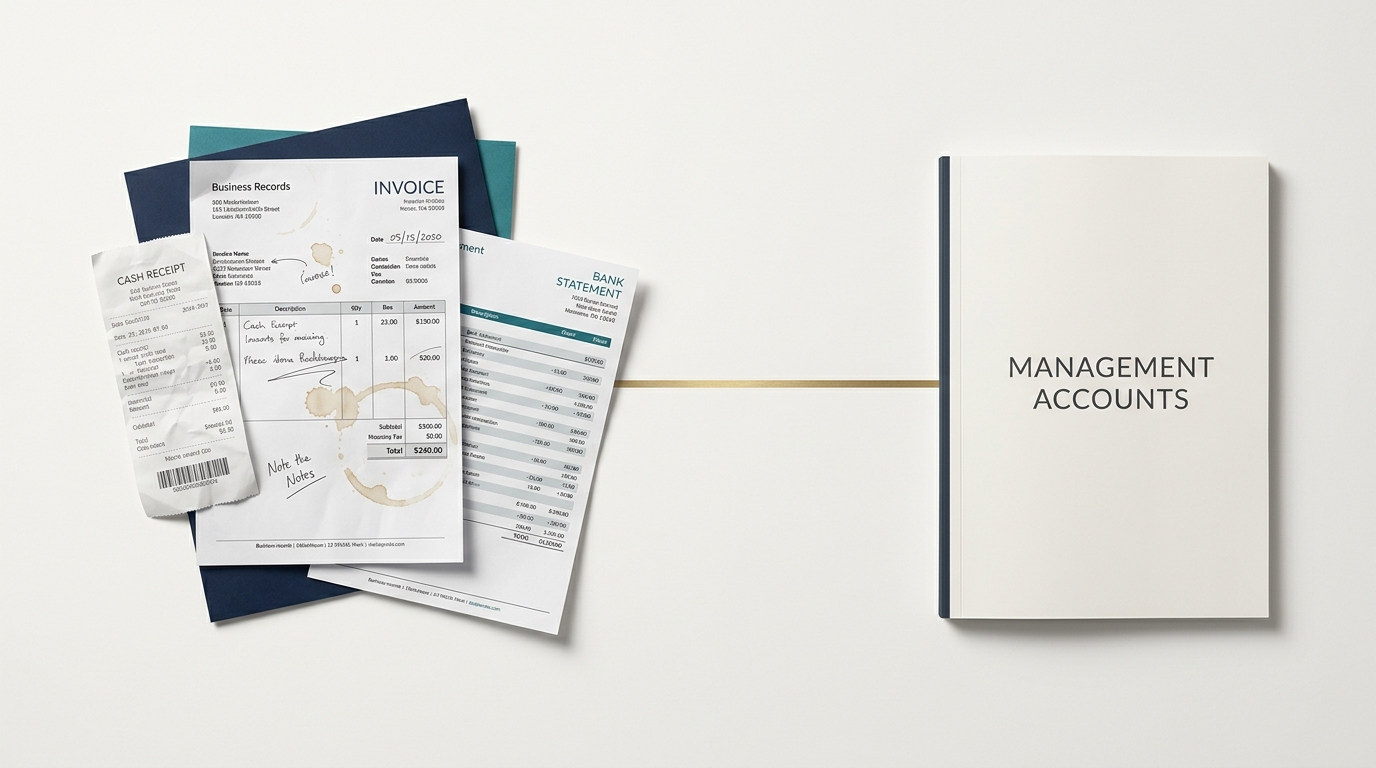
- Numbers you can prove. Not a model built on assumptions, but records that let an investor verify revenue, margin, and burn. If your figures are claims rather than facts, the process stops at the first data request. This is why getting your books investor-ready matters long before you raise.
- Revenue that holds up. Concentration, retention, and cash conversion, not only a top-line figure.
- A credible team and a real market. The people to build the company, and a market large enough to justify backing it.
These are necessary, not sufficient. A company can pass all of them and still fail, because there is a second set of checks the standard advice does not mention.
The checks specific to African and diaspora founders
Three questions stop deals for founders on the continent and in the diaspora. Western readiness advice does not raise them.
Can an investor put money into your structure? Most US venture funds cannot invest directly into a Nigerian company. If the structure is wrong, a strong business is uninvestable until it is fixed, and the fix usually lands mid-raise, at the worst possible time. This is why where you incorporate, and when to flip, is a readiness question rather than an administrative one.
Can the capital move? An investor will ask how their money comes in and, more pointedly, how it gets out. Foreign money that enters your Nigerian company without a capital-importation certificate can come in but struggle to leave, and a sophisticated investor checks for this. Capital that cannot be repatriated will not be committed.
Are you operating legally? In regulated sectors, and fintech is the clearest example, the question “do you have the licence for this” can end a conversation. Operating without the right approval is a liability the investor would inherit, and they treat it that way.
Beneath all three sits the ordinary discipline of a company that files its taxes and keeps clean records, so that nothing on the compliance side is a surprise either.
The test
One direct way to assess where you stand: an investor’s accountant and lawyer are coming next week to go through everything, your books, your cap table, your structure, your licences, your tax filings, your capital-importation paperwork. Walk through that list, line by line.
Each time you catch yourself thinking you would want to sort something out first, you have found a gap. Count them honestly. The longer the list, the more work stands between you and a clean raise.
For a structured version of this test, the Investor Readiness Scorecard scores you across the six areas investors diligence and shows you where the gaps are, in about eight minutes.
What this means for founders
The founders who raise cleanly are usually the ones for whom due diligence is uneventful, because everything it looks for is already in place, provable, and clean. That position is built deliberately, over months, usually with someone whose work is to see the business the way an investor will.
That is the work we do: getting a company into a state where scrutiny confirms its account rather than exposing gaps, across both the universal checks and the ones specific to operating in Africa and the diaspora. If you are heading toward a raise, or want to know how you would hold up if diligence started tomorrow, book a conversation. Finding the gaps before an investor does costs a great deal less.
FAQ
Frequently asked questions
What does investor-ready mean?
It means an investor's questions already have answers before they are asked. The numbers are provable from real records, the structure is clean, capital can move in and out, and nothing is waiting to be discovered in due diligence. A polished deck is not the same thing.
Why is investor-readiness different for African founders?
The standard advice assumes a US or European setup and omits three checks that routinely stop African deals: whether an investor can legally invest in your structure, whether money can move into and out of the country, and whether you are properly licensed and compliant. A founder can have strong traction and still fail on any one of them.
What do investors check first in due diligence?
They confirm the story the deck tells. Can they verify revenue and margins from real records, is the company cleanly structured and owned, is it operating legally, and can their capital come in and later leave. A weakness in any of these stalls the process regardless of how strong the pitch was.
How do I know if I am investor-ready?
Run the test in reverse. Imagine an investor's accountant and lawyer going through everything next week: your books, your structure, your cap table, your licences, your tax filings, your capital-importation paperwork. Every item you would want to fix first is a gap between you and ready.